Horse leasing across Europe
Horse lease
HorseRent lists horses for monthly lease: show jumpers, dressage horses, leisure horses, ponies for children and experienced horses for your first competitions. You can take a full lease, a part lease, or lease to buy and decide later.
Every listing shows photos, age, height, discipline, level and location. You contact the owner directly, with no middleman and no commission.
Horses available now
All listings → For lease
Felipe
Sella Italiano · 4 years · 164 cm
Salto Ostacoli · Noci Bari, Puglia
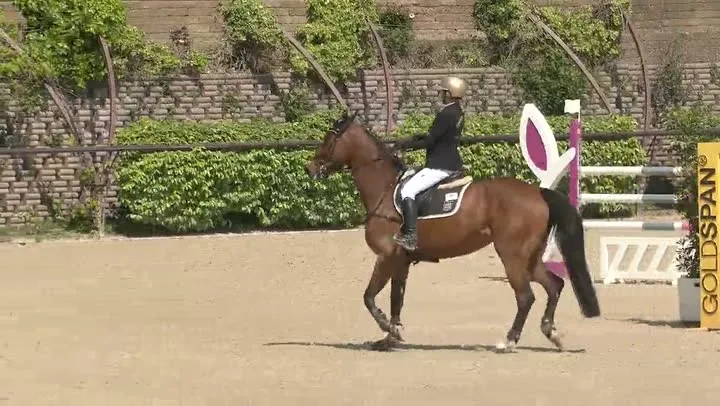 For lease
Marlisa
KWPN · 9 years · 170 cm
Salto Ostacoli · Abruzzo
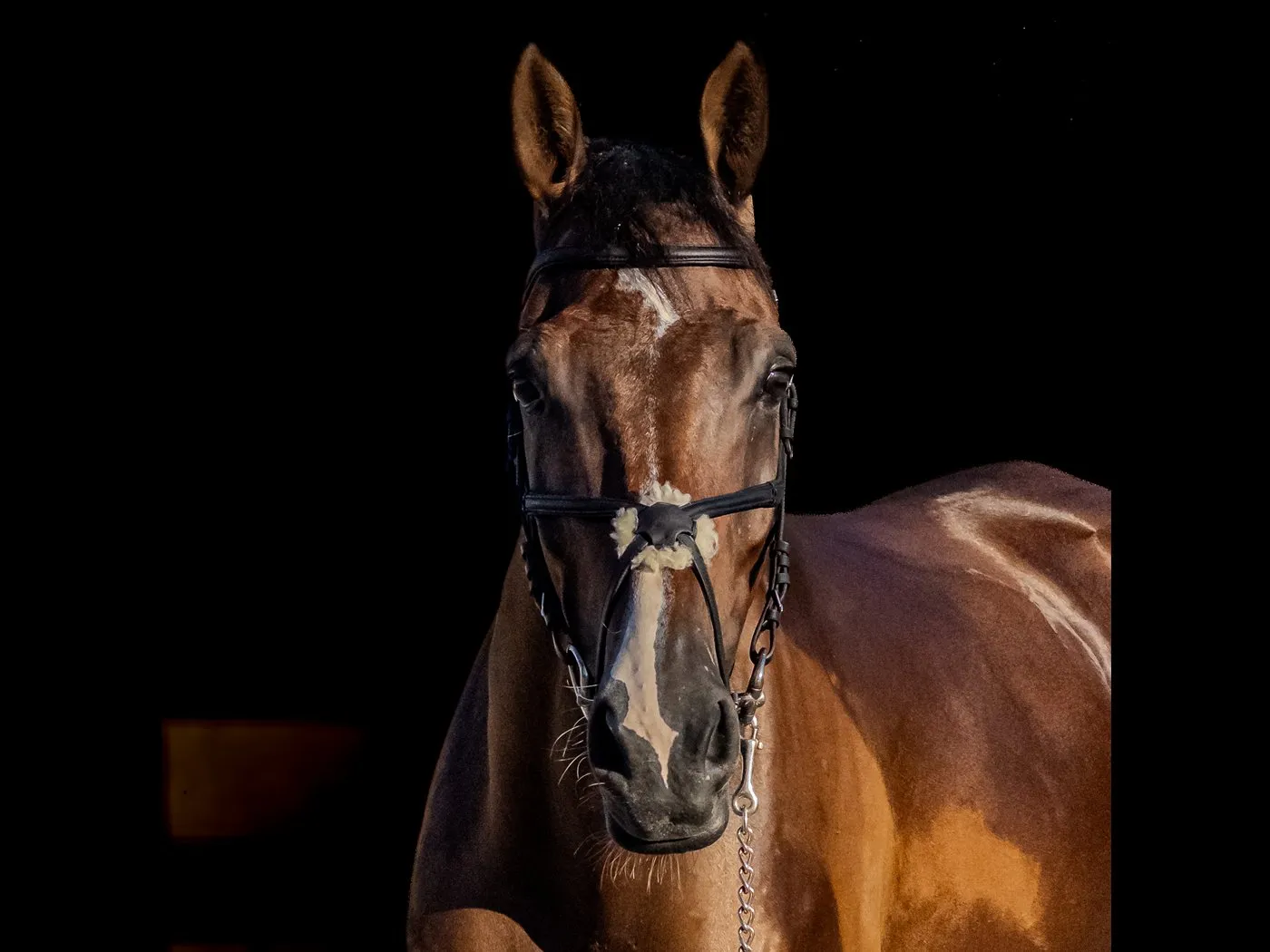 For lease
Calibri v/d Vrombautshoeve Z
Zangersheide (Z) · 6 years · 172 cm
Salto Ostacoli · Abruzzo
 For lease
Snoopy
Altro · 4 years · 139 cm
Salto Ostacoli · Novara, Piemonte
 For lease
Tobia
Quarter Horse · 14 years · 152 cm
Western, Passeggiata · Bologna, Emilia-Romagna
 For lease
Oro
Haflinger · 10 years · 148 cm
Passeggiata, Attacchi · Bolzano, Trentino-Alto Adige
How leasing a horse works
- 1
Choose the horse
Filter by discipline, level, region and length of lease. Look at the photos and videos and read the full description.
- 2
Try and agree
Message the owner, ride the horse and agree together on duration, riding days and who pays livery, farrier and vet.
- 3
Sign and ride
Use HorseRent's ready-made lease contract. The deposit is managed online and stays locked until the horse is returned.
Full lease, part lease, competition lease and lease to buy
Full lease
The horse is yours for the agreed period: you ride whenever you like, compete, and usually cover the running costs.
Part lease (share)
You share the horse with the owner or another rider: set days each week and shared costs. The cheapest way to ride regularly.
Competition season lease
An experienced horse for a few months to move up a level without buying. Very common in show jumping.
Lease to buy
You lease the horse for a period and then buy it at a price fixed in advance. Part of the lease can be deducted from the final price.
How much does it cost to lease a horse? It depends on discipline, level and length. Read the price guide →
What to check before leasing a horse
- ✓A recent vet check, ideally before you sign.
- ✓A written contract: length, riding days, who pays what, competitions and transport.
- ✓Insurance: third-party liability and, if possible, cover for injury to the horse.
- ✓The deposit and how it is returned.
- ✓Where the horse is kept: at its own yard or moved to yours.
- ✓A trial ride, better more than one and with your trainer.
Is your horse not being ridden enough?
Lease it out on HorseRent: someone else rides it, you get a monthly fee and the horse stays fit. You choose who takes it.
- ✓Free to list
- ✓No commission
- ✓Ready-made lease contract
- ✓Listing in 5 languages
Frequently asked questions
What does leasing a horse mean?+
You get exclusive use of a horse for a set period, usually for a monthly fee plus running costs. The horse stays the property of its owner.
What is the difference between a full lease and a part lease?+
With a full lease only you ride the horse. With a part lease you share it with the owner or another rider, on set days and with shared costs.
How long does a horse lease last?+
You agree it with the owner. Many leases run from 3 to 12 months; competition leases often start at 2 to 3 months. Each listing shows the minimum and maximum length.
Who pays the vet, the farrier and livery?+
It is set in the contract. In a full lease the rider usually pays the running costs; in a part lease they are shared.
What if the horse gets injured during the lease?+
That is what the contract, a vet check at the start and insurance are for. On HorseRent the deposit is managed online and stays locked until the horse is returned.
Can I buy the horse after leasing it?+
Yes, with lease to buy: the purchase price is fixed at the start and part of the lease can be deducted.
How much does it cost to list a horse for lease?+
Nothing. Listing on HorseRent is free and there is no commission on the lease.